The Hardest Skill in Tai Chi Isn’t Strength — It’s Softness

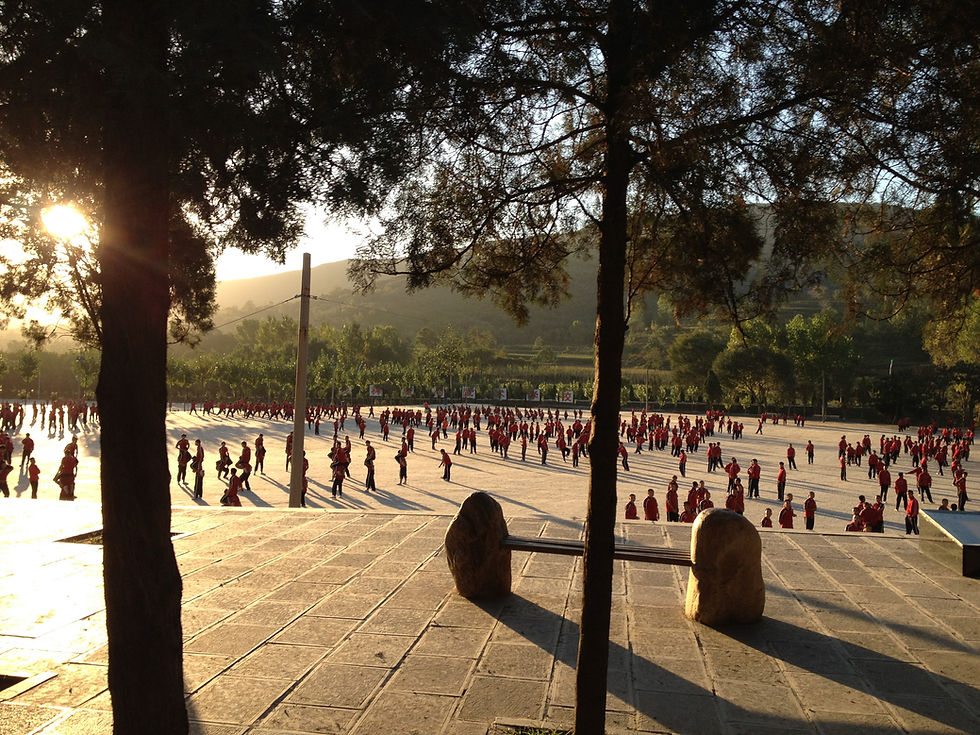
One of the most surprising truths in Tai Chi is that strength is the easy part. Anyone can tense their muscles, brace themselves, or push harder. Softness — real, responsive softness — is far more challenging.
I see this often when men come to class. Many arrive expecting to learn power, self‑defence, or martial technique. Those skills are certainly part of the art, but they’re not the deepest lessons. What catches people off guard is that Tai Chi asks them to explore qualities they’ve rarely trained.
Most men spend years developing Yang traits: drive, competition, intensity, control, and the instinct to push through obstacles. These qualities have value, and society rewards them. But without balance, Yang easily tips into tension, frustration, aggression, and burnout.
Tai Chi offers a different kind of strength. It teaches you how to stay calm under pressure, how to absorb force without collapsing, and how to redirect challenges rather than fight them head‑on. Becoming hard takes almost no skill. Remaining soft, stable, and aware takes discipline.
Women often connect quickly with aspects of Tai Chi because the practice encourages Yin qualities: sensitivity, patience, listening, and fluidity. But in truth, men benefit from this work just as much — sometimes more.
Tai Chi isn’t about becoming stronger or softer. It’s about becoming balanced. The most capable martial artists were never the ones who relied only on force. They were the ones who knew when to yield, when to act, and how to stay centred in both Yin and Yang.
That balance is the real training. And it’s something Tai Chi continues to teach every day.


Comments